Corrugated Box Manufacturing Process – The Full Workflow
From paper rolls to shipment | 8 key stages | Built on 50+ years of expertise since 1974
Jiaxin Box is a professional corrugated carton factory under Taihe Packaging, founded in 2007 and built on more than 50 years of manufacturing expertise since 1974. We operate a complete in-house production line from raw material intake to shipping to ensure stable quality and reliable lead times. Our end-to-end workflow covers 8 key stages: paper intake, corrugation, lamination, printing, die cutting & slotting, box forming (stitching or gluing), quality inspection, and shipping—managed under ISO 9001 quality control.
Manufacturing Process Overview – 8 Key Stages at a Glance
Corrugated cartons are produced through a precise industrial workflow where every stage affects the next. At Jiaxin Box, we organize the process into 8 key stages—from paper intake and corrugation, to lamination, printing, die cutting & slotting, box forming (stitching or gluing), quality inspection, and final packing & shipping. The numbers below give a quick snapshot of our manufacturing capability. To learn more about how we customize cartons, see our customization steps.
All 8 Stages Overview
The core of corrugated carton manufacturing is turning flat paper into a rigid 3D box. The workflow is: paper intake (material selection and incoming inspection) → corrugation (forming flutes via heat and pressure) → lamination (bonding liners and mediums into board) → printing (logos, text, and graphics) → die cutting & slotting (cutting into blanks with crease lines) → box forming (stitching or gluing) → quality inspection (key checks and tests) → packing & shipping (delivery across Taiwan).
Overview of the 8 key stages
Paper Intake & Corrugation – Where Quality Begins
Carton quality is determined the moment raw materials arrive at the factory. We perform incoming inspections on every batch of paper to ensure it meets production standards. Once approved, the medium is fed into the corrugator and formed into flutes through heat and pressure—creating the cushioning and compression strength that corrugated cartons are known for.
Stage 1: Incoming Paper Inspection
Corrugated materials typically include liner (surface smoothness), corrugating medium (structural strength), and back liner (support). Before storage and production, each batch is checked for basis weight, ring crush strength, and moisture. Material grades are selected by order requirements—kraft liners for higher strength, white liners for better print presentation, and recycled papers for sustainability-focused needs. Temperature and humidity are controlled in storage to prevent moisture-related issues.
Stage 2: Corrugation and Flute Selection
After preheating and conditioning, the medium passes through corrugating rolls to form flutes under controlled heat and pressure. Common flute types include A flute (about 4.5–5 mm, best cushioning), B flute (about 2.5–3 mm, smoother printing surface), C flute (about 3.5–4 mm, balanced performance), and E flute (about 1.1–1.5 mm, ideal for premium small boxes). For more details, see our materials guide.
Incoming paper and corrugation
Lamination & Board Structure – Building a Strong Foundation
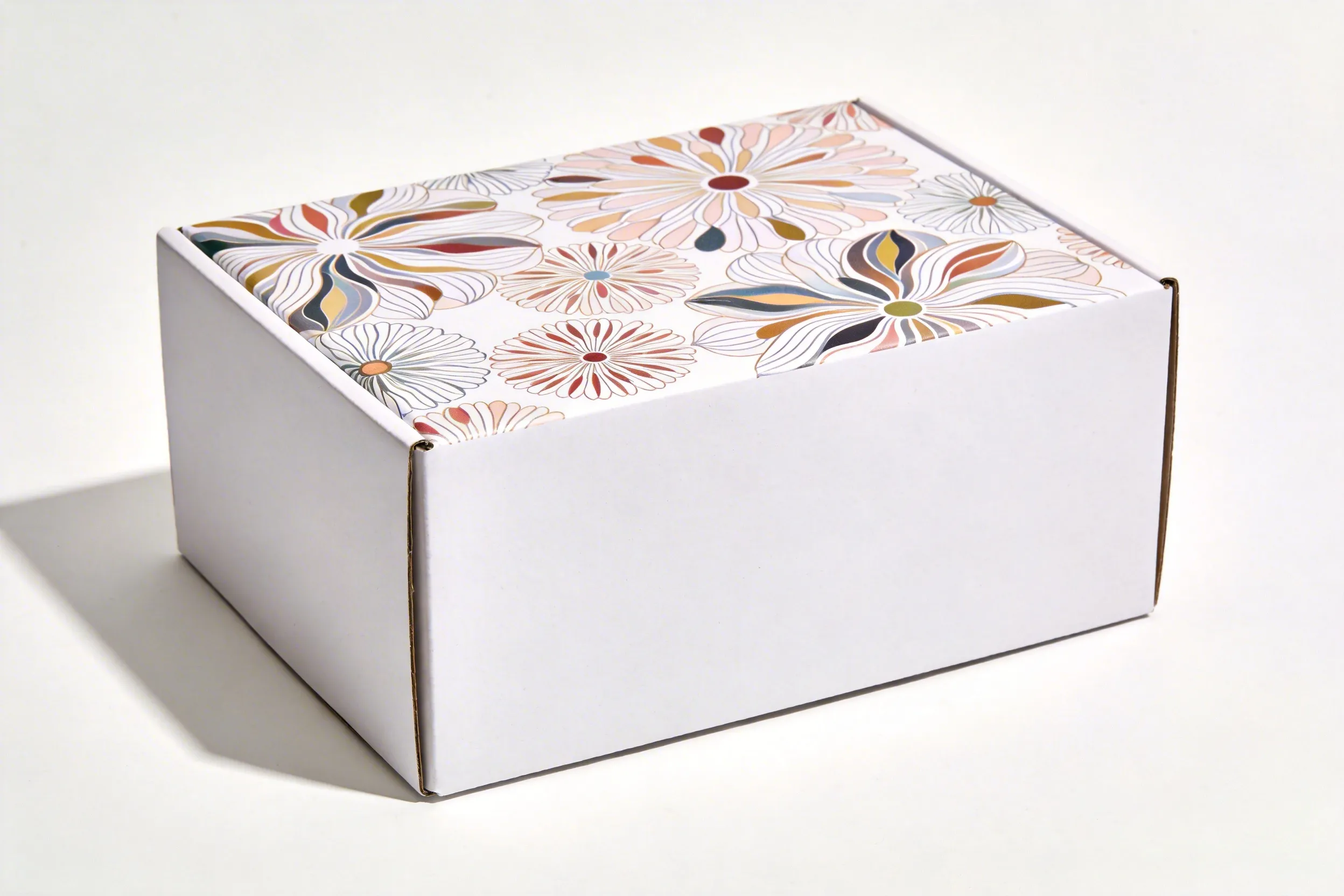
The corrugated medium must be bonded with liners to form finished corrugated board. We use eco-friendly starch-based adhesive and controlled heat/pressure to ensure reliable bonding. Lamination quality directly affects board strength and surface flatness—temperature control, glue consistency, and stable pressure all matter. See our product overview to explore applications for different board structures.
Corrugated board lamination
3-ply / 5-ply / 7-ply Board Structure Comparison
Single Wall (3-ply)
A liner + fluted medium + liner structure. Lightweight and cost-effective for products such as food, stationery, and apparel. It provides reliable cushioning and stacking support and is the most common choice for standard cartons.
Double Wall (5-ply)
A higher-strength structure with two fluted mediums and additional liners. It offers improved compression and impact resistance for mid-to-heavy products such as appliances, mechanical parts, and electronics.
Triple Wall (7-ply)
A triple-flute structure for maximum strength in heavy equipment and large-component shipping. Its high compression and shock resistance can replace wooden crates in some scenarios, while being lighter and more sustainable.
Printing & Special Finishes – Bringing Your Brand to Life
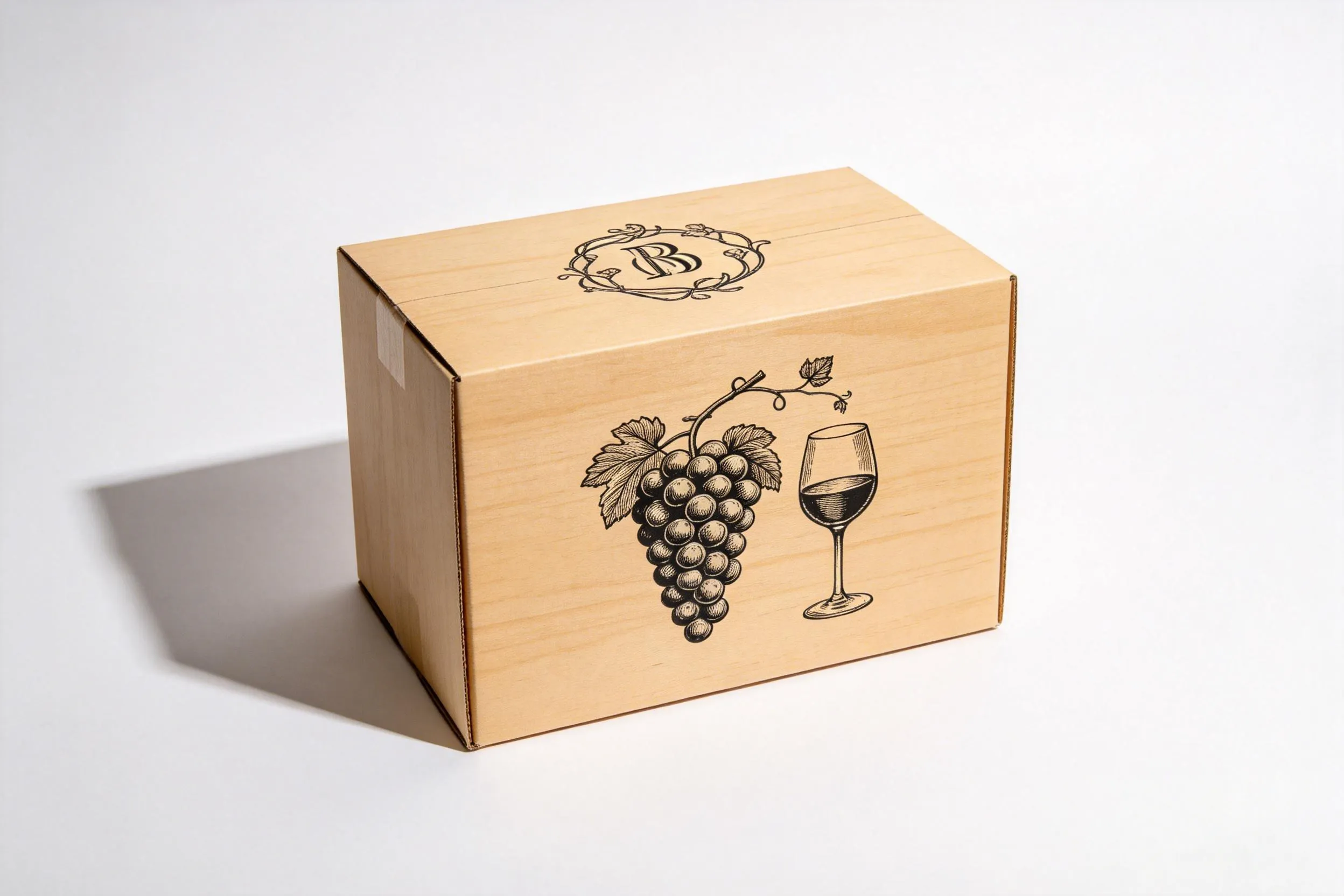
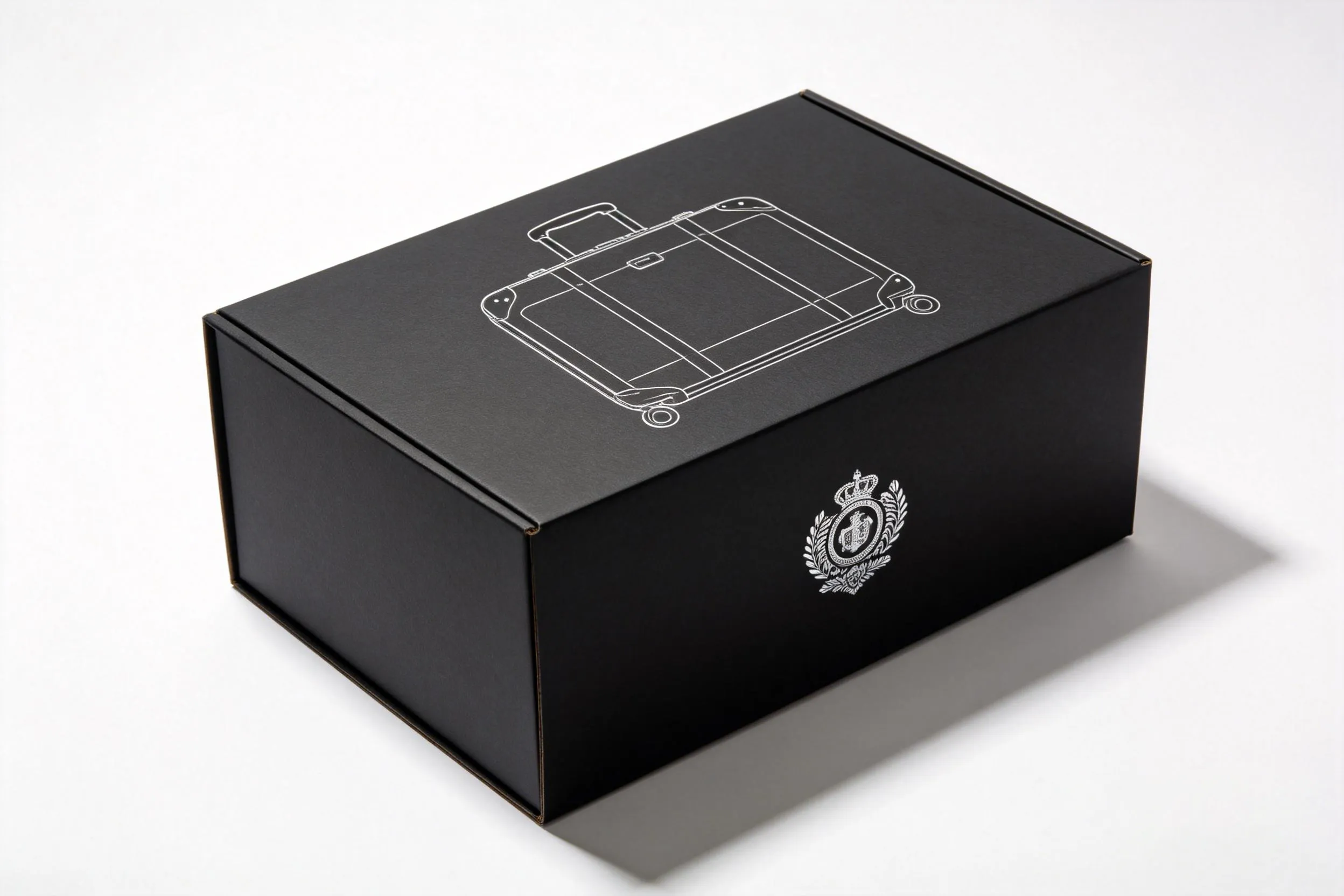
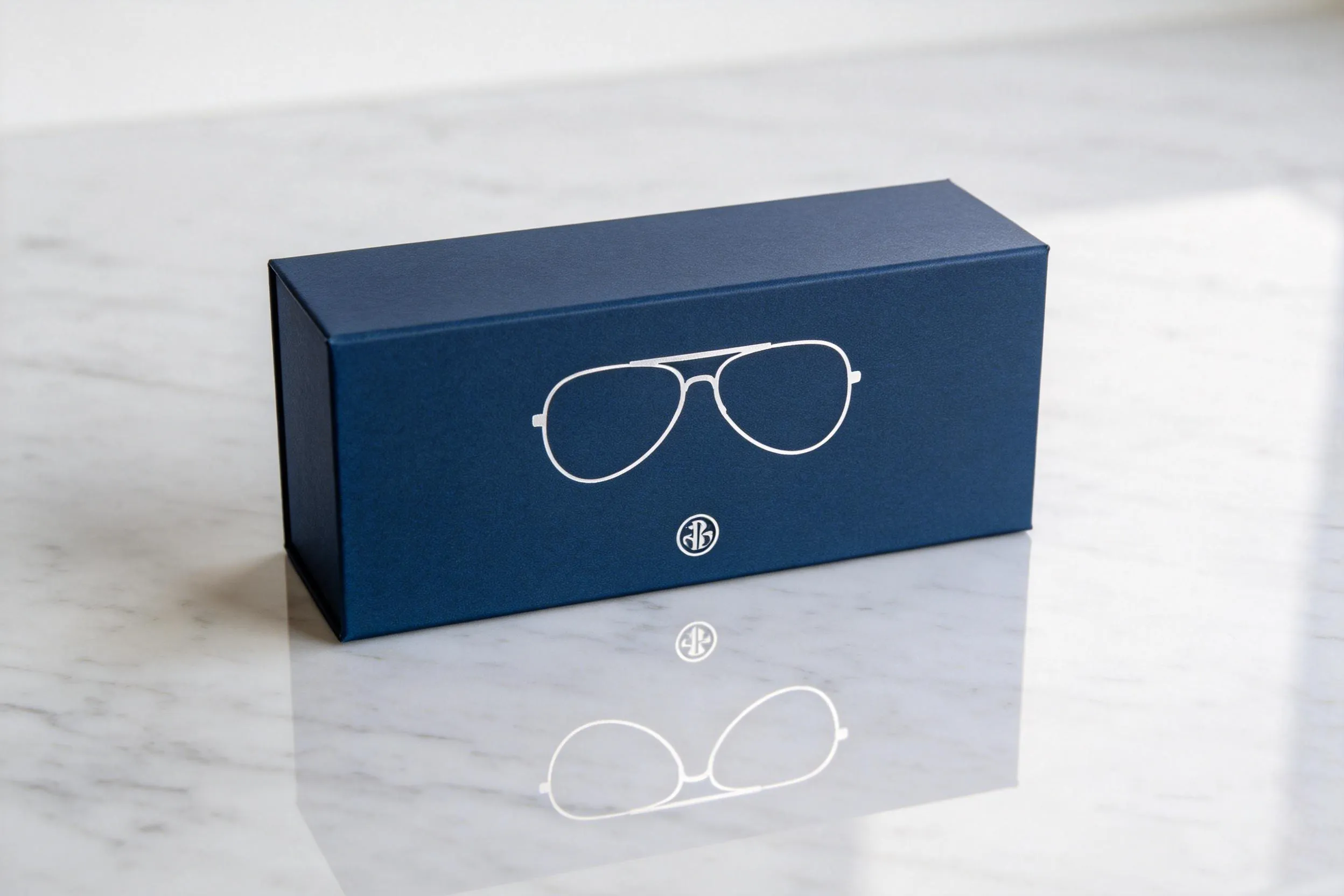
A carton is not only protective packaging—it is also a key brand touchpoint. Jiaxin Box offers both flexographic and offset printing solutions, recommended based on your brand needs, print quality targets, and budget. We also provide multiple finishing options such as UV coating, foil stamping, and embossing to elevate your packaging presentation.
Flexographic Printing: Fast and Cost-Effective for Volume
Flexographic printing prints directly on corrugated board using water-based inks, making it the most common carton printing method. It is typically used for 1–4 colors and works well for logos, product information, and shipping marks. The advantages are high speed and lower cost—especially suitable for volume orders. Water-based inks are solvent-free and provide durable results after drying.
Flexo vs offset printing
Offset Printing: Premium Full-Color Detail
Offset lithographic printing prints CMYK full color on face paper first, then laminates it onto corrugated board. It delivers excellent color accuracy, fine detail, and smooth gradients—ideal for premium packaging, brand presentation, and retail display. While the cost is higher, the print quality is comparable to commercial print. Learn more at our design and printing services.
Special Finishes: Adding Texture and Premium Appeal
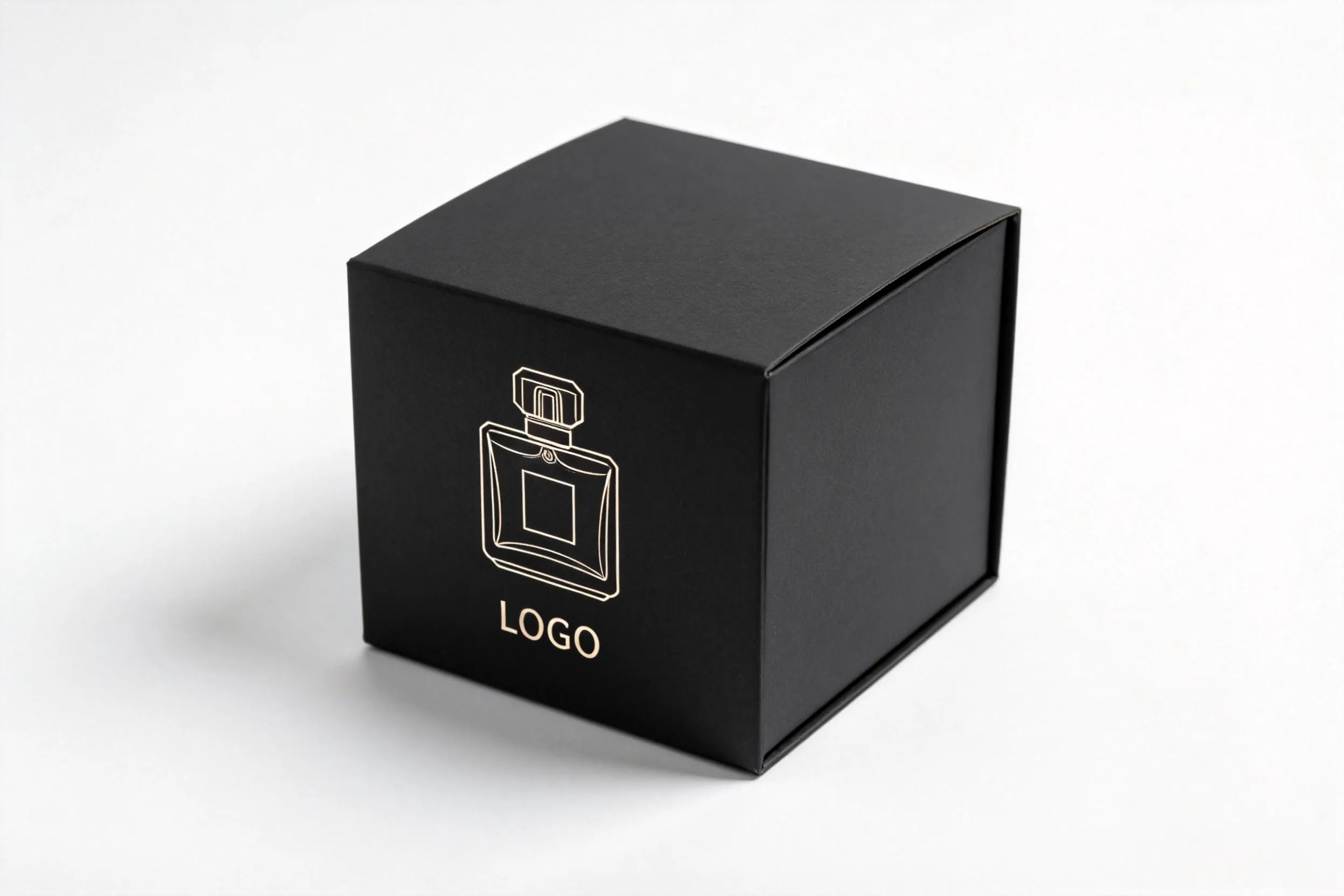
Beyond printing, we offer finishing options to enhance brand character. UV coating can add gloss and improve surface resistance; foil stamping adds metallic highlights to logos; embossing creates distinctive texture; and spot gloss or matte film can create visual contrast in key areas. These finishes can be combined to match different packaging requirements—from practical to premium.
Die Cutting & Box Forming – From Flat Board to a 3D Carton
After printing, the corrugated board moves into die cutting, slotting, and forming—the key stage that transforms a 2D sheet into a 3D carton. Accurate die cutting ensures correct blank dimensions, creasing and slotting enable smooth folding, and final forming is completed by stitching or gluing. Die accuracy is typically controlled within ±0.5 mm to keep sizes consistent. For custom structures, see our customization service.
Die cutting, slotting, and box forming
Die Cutting
The board is cut into a blank according to the dieline, including crease lines, windows, handle holes, and other structural details.
Slotting & Creasing
Slots and score lines are created in precise positions to ensure clean folding and accurate flap alignment.
Stitching or Gluing
Stitching uses metal staples for higher strength in heavy-duty cartons; gluing uses eco-friendly adhesive for a cleaner appearance, ideal for retail presentation.
Stitching vs Gluing: Choosing the Right Forming Method
The forming method affects both structural strength and appearance. Stitching provides strong joints and high load capacity, suitable for heavier products or cartons that are opened and closed repeatedly, but staple legs may be visible at the seam. Gluing creates a flatter, cleaner seam and is often preferred for brand-facing retail packaging. We recommend the best option based on your product, use case, and preference.
Quality Inspection & Shipping – Built to Pass Every Check
Quality inspection is the final gate before cartons leave our factory—and one of our top priorities. Under ISO 9001 quality management, we perform key checks covering appearance, dimensions, strength, and material properties. Only cartons that pass inspection are packed and shipped. Learn more at our quality certification page.
Quality checks before shipping
Quality Checks and Standards
Appearance and Dimension Checks
We check print consistency, surface defects, and lamination quality (flatness and bonding). Carton dimensions are measured carefully, typically keeping tolerance within ±2 mm to match the required specification and prevent fit issues.
Strength and Material Property Tests
Bursting strength measures resistance until rupture. ECT (Edge Crush Test) evaluates edge compression strength and helps predict stacking performance. Moisture content is monitored to keep board within an appropriate range, since excessive moisture reduces strength and overly dry board can become brittle. Bonding strength tests help prevent delamination and ensure structural integrity.
Delivery Across Taiwan
Qualified cartons are packed by order and scheduled for shipment. We provide delivery across Taiwan, and pickup is also available at our Wugu, New Taipei facility. For large orders, split deliveries can be arranged to match your warehouse capacity and production schedules.
Equipment & Technical Strengths – A Manufacturing Partner You Can Trust
As a professional carton factory under Taihe Packaging, Jiaxin Box continues to invest in advanced automation while leveraging decades of manufacturing know-how. This combination enables an efficient corrugated carton production line with consistent quality. The highlights below showcase the strengths that support reliable manufacturing and quality control.
50+ Years of Manufacturing Know-How Since 1974
Building on Taihe Packaging’s manufacturing experience since 1974, Jiaxin Box has continued to refine its capabilities since 2007. From material selection and corrugator settings to printing color management, each process is validated through practice to keep output stable and consistent.
Automated production equipment
ISO 9001 Quality Control
Our ISO 9001 quality management approach standardizes procedures across production and inspection, helping ensure consistent quality and traceability.
Advanced Automation Equipment
We deploy high-performance corrugators, high-speed printing lines, and precision die-cutting equipment, supported by process monitoring to balance throughput and quality.
Sustainable Manufacturing Commitment
We use recyclable corrugated paper, water-based inks for printing, and starch-based adhesives for lamination. From material choices to process design, we incorporate sustainability into each stage to support greener packaging solutions.
One-Stop End-to-End Service
We handle the workflow in-house—from paper intake to shipping—to reduce handoffs and maintain control over quality and lead time.
Flexible Capacity for Rush Orders
Scheduling can be adjusted to support lead-time needs, and rush orders may be prioritized based on capacity.
Manufacturing Process FAQ
Quick answers to common questions
-
From paper roll intake to shipping, a standard corrugated carton typically takes about 5–10 business days (excluding design and sampling). Lead time depends on complexity, printing method, and quantity. Plain cartons or 1-color flexo jobs are usually faster, while full-color offset printing or special finishes may take longer. Rush orders can be arranged based on production capacity.
-
Flexographic printing prints directly on corrugated board using water-based inks—fast, cost-effective, and ideal for 1–4 colors in volume production. Offset printing prints CMYK full color on face paper first, then laminates it to the corrugated board, delivering finer detail and better color accuracy for premium retail packaging. The best choice depends on quality requirements, quantity, and budget.
-
Under ISO 9001 quality management, we typically inspect: (1) appearance (print consistency, surface defects), (2) dimensions (tolerance within ±2 mm), (3) bursting strength, (4) edge crush test (ECT), (5) moisture content (kept within an appropriate range), and (6) bonding strength to prevent delamination. Only cartons that pass all checks are packed and shipped.
-
Single wall board is a 3-ply structure (liner + medium + liner), lightweight and cost-effective for lighter products. Double wall board uses two fluted mediums with additional liners, offering higher compression strength for heavier goods such as appliances, mechanical parts, and electronics. Selection should consider product weight, shipping conditions, and stacking needs. You can also see industry application examples.
-
We follow a color management workflow: (1) confirm the target color standard before plate making (e.g., Pantone), (2) run a proof and adjust ink settings before production, (3) sample and compare during production to keep color deviation within an acceptable range, and (4) use stable water-based ink supply for consistent batches. For strict color accuracy, we recommend approving a physical sample before mass production.
Protect Your Products with Packaging Built by Experts
Built on 50+ years of manufacturing expertise since 1974, with ISO 9001 quality control across every stage
Free Consultation